

Customer Journey Optimization for Canadian SMEs: How to Turn Prospects into Loyal Clients
Every business wants more customers. However, attracting customers is only one part of the equation. The real challenge lies in guiding those customers through a smooth and effective journey from first interaction to long term loyalty.
Many Canadian small and medium sized businesses struggle because their customer journey is not clearly defined. Prospects may visit a website, show interest, and then leave without taking action. Others may engage initially but fail to convert into paying clients.
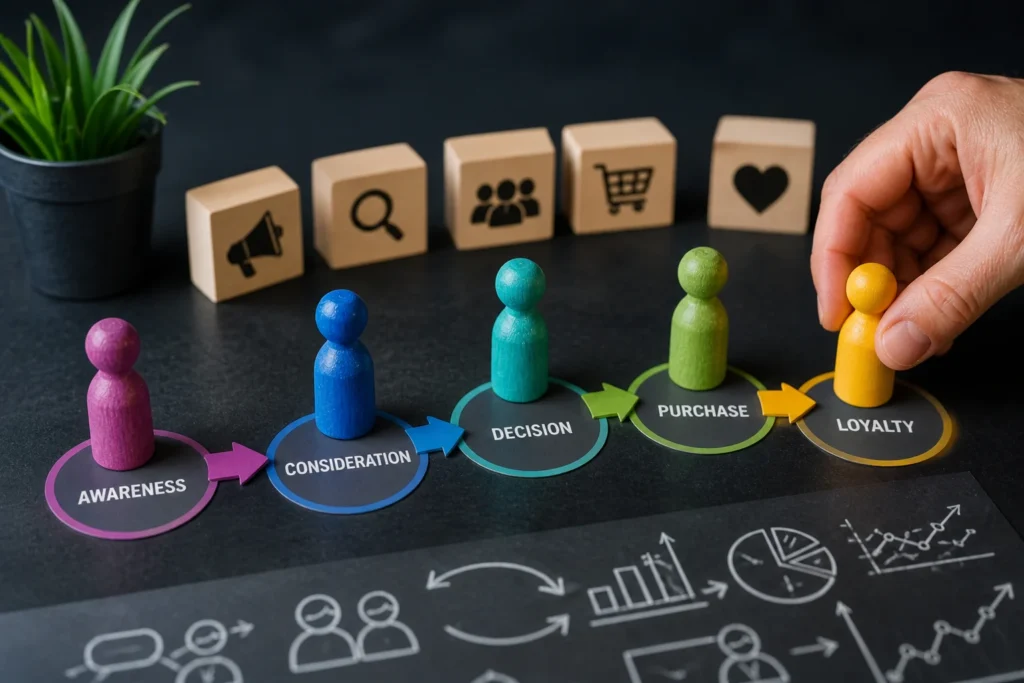
Customer journey optimization focuses on improving every step of the customer experience. It ensures that potential clients move smoothly from awareness to decision and beyond.
For Canadian SMEs, optimizing the customer journey is a powerful way to increase conversions, improve satisfaction, and drive sustainable growth.
You can explore how structured growth strategies support business success by visiting the main website at https://thepowergroup.ca/.
What Is the Customer Journey
The customer journey refers to the complete experience a customer has with your business.
It begins when a potential customer first becomes aware of your brand and continues through engagement, purchase, and post purchase interaction.
Each stage of this journey influences the customer’s perception and decision making.
A well designed journey makes it easy for customers to understand your value and take action.
A poorly structured journey creates confusion and leads to lost opportunities.
Understanding this journey is the first step toward improving it.
Why Customer Journey Optimization Matters
Many SMEs focus on individual activities such as marketing campaigns or sales efforts. However, they often overlook how these activities connect.
Customer journey optimization ensures that all touchpoints work together to create a seamless experience.
When the journey is optimized, businesses benefit from higher conversion rates, improved customer satisfaction, and stronger retention.
It also reduces friction in the buying process.
Customers are more likely to choose a business that provides a clear and smooth experience.
Optimizing the journey helps businesses stand out in a competitive market.
Map Your Customer Journey
The first step in optimization is mapping your current customer journey.
Identify all the stages a customer goes through when interacting with your business.
These stages may include awareness, consideration, decision, and post purchase engagement.
For each stage, analyze how customers interact with your brand.
Consider questions such as
How do customers discover your business
What information do they need before making a decision
What obstacles prevent them from taking action
How do they feel after completing a purchase
Mapping the journey provides a clear understanding of where improvements are needed.
Improve the Awareness Stage
The awareness stage is where potential customers first encounter your business.
This may happen through search engines, social media, referrals, or advertising.
At this stage, your goal is to capture attention and provide value.
Content marketing, search engine optimization, and targeted advertising play a key role in attracting the right audience.
Your messaging should clearly communicate who you help and what problems you solve.
Strong awareness strategies bring qualified prospects into your customer journey.
Optimize the Consideration Stage
During the consideration stage, prospects evaluate your business and compare it with competitors.
This is where trust and credibility become important.
Provide clear information about your services, benefits, and results.
Case studies, testimonials, and educational content help prospects understand your value.
Your website should be easy to navigate and provide answers to common questions.
If you want to improve how your business communicates value and builds trust, you can explore the services available at https://thepowergroup.ca/services/.
Strengthen the Decision Stage
The decision stage is where prospects choose whether to become customers.
At this point, clarity and confidence are essential.
Make it easy for prospects to take action by providing clear calls to action.
Simplify the purchasing or onboarding process.
Remove unnecessary steps that may create hesitation.
Transparency in pricing, timelines, and expectations helps build trust.
A smooth decision process increases conversion rates and improves customer experience.
Enhance Post Purchase Experience
The customer journey does not end after a purchase.
Post purchase experience plays a critical role in retention and long term growth.
Follow up with customers to ensure satisfaction.
Provide support and additional value after the sale.
Encourage feedback and engagement.
Satisfied customers are more likely to return and recommend your business.
Building strong relationships after the purchase creates loyalty and repeat business.
Use Data to Identify Improvement Opportunities
Data is essential for optimizing the customer journey.
Tracking customer behavior helps identify where prospects drop off and where improvements are needed.
Important metrics include website engagement, conversion rates, customer feedback, and retention rates.
Analyzing this data provides insights into what is working and what needs adjustment.
Data driven decisions lead to more effective optimization strategies.
For more insights on business growth and performance improvement, you can explore the blog section at https://thepowergroup.ca/blogs/.
Align Marketing and Sales Efforts
One of the most common challenges in SMEs is misalignment between marketing and sales.
Marketing may generate leads that sales teams are not prepared to handle.
Sales teams may not have the information needed to convert leads effectively.
Aligning these functions ensures a consistent customer experience.
Both teams should work toward shared goals and use the same messaging.
Collaboration improves efficiency and increases conversion rates.
Personalize the Customer Experience
Personalization is becoming increasingly important in modern business.
Customers expect experiences that are relevant to their needs and preferences.
Using data and insights, businesses can tailor communication and services to individual customers.
Personalization improves engagement and strengthens relationships.
It also increases the likelihood of conversion and retention.
Providing a customized experience sets your business apart from competitors.
How Strategic Consulting Supports Customer Journey Optimization
Optimizing the customer journey can be complex, especially for growing businesses.
Strategic consulting provides guidance and structure to improve each stage of the journey.
Consultants analyze customer interactions, identify gaps, and develop strategies to enhance experience and performance.
They also help align marketing, sales, and operations.
This structured approach ensures that improvements are effective and sustainable.
If you want to optimize your customer journey and improve business performance, you can connect with the team at https://thepowergroup.ca/contact-us/.
Final Thoughts
Customer journey optimization is a powerful strategy for improving business performance.
Canadian SMEs that focus on creating smooth and effective customer experiences can increase conversions, strengthen relationships, and achieve long term growth.
By understanding the journey, identifying areas for improvement, and implementing strategic changes, businesses can turn prospects into loyal clients.
Success is not just about attracting customers. It is about guiding them through a journey that delivers value at every stage.
Businesses that invest in optimizing this journey position themselves for sustainable success in a competitive market.